The Grocery Delivery Evolution: The Rise of E-Commerce Food Packaging Advancements
The rise of grocery delivery services has fundamentally altered consumer access to food. This transformation has accelerated developments in online food packaging solutions, addressing growing needs for convenience and sustainability. As companies innovate to enhance efficiency, they simultaneously face challenges related to product quality and logistics. The rising priority placed on environmentally conscious choices prompts discussions regarding how packaging will evolve in this rapidly changing sector. What strategies are emerging to reconcile these competing priorities?
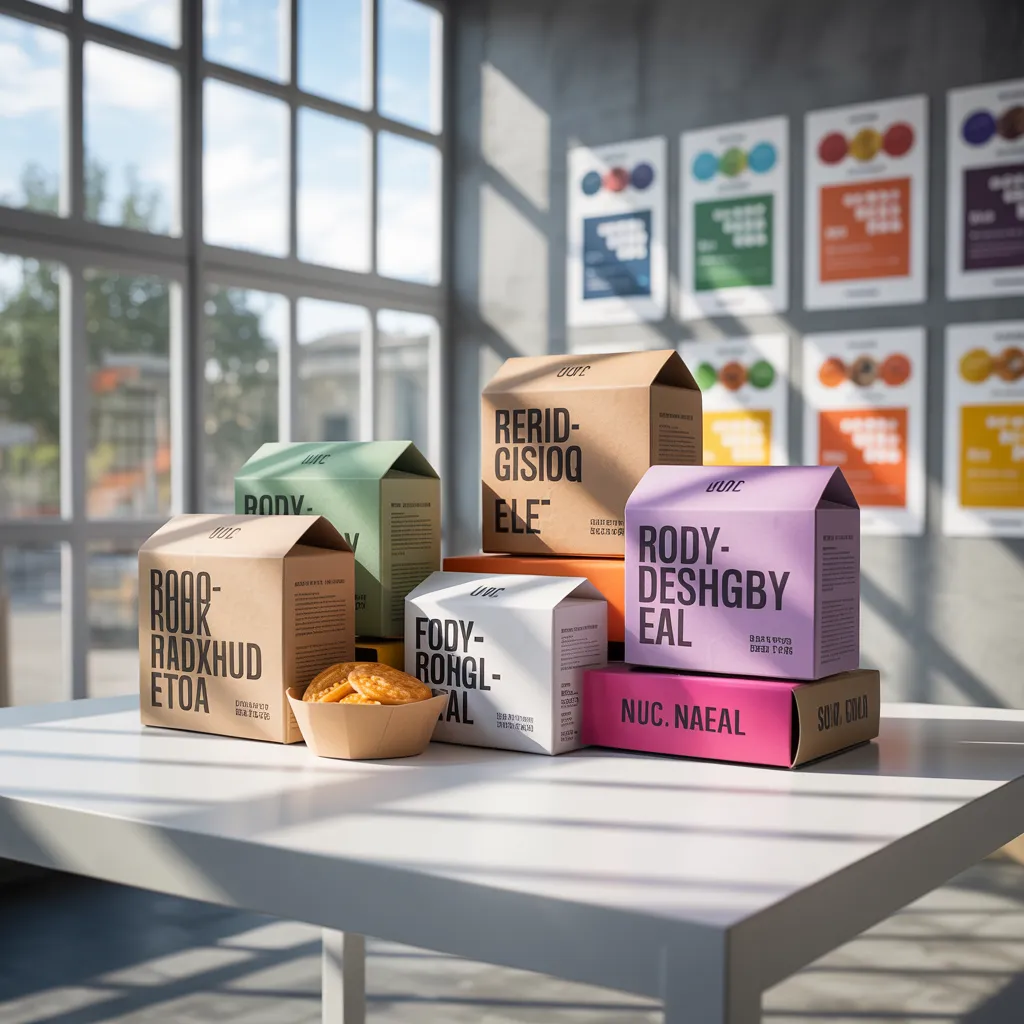
The Evolution of Grocery Delivery Services to Satisfy Consumer Needs
With consumers growing more focused on convenience in their everyday routines, grocery delivery solutions have developed substantially to keep pace with these evolving expectations. Once restricted to essential products, these services now offer a wide range of products, encompassing fresh produce, household necessities, and specialty products. The incorporation of technology has reshaped the modern shopping experience, allowing customers to place orders through mobile applications and websites with customized recommendations informed by personal preferences and past purchases.
Additionally, the rise of subscription models has brought a new level of accessibility, enabling consumers to plan regular deliveries customized for their demands. Several services now provide real-time tracking, ensuring transparency and boosting customer satisfaction. Also, partnerships with regional growers and suppliers have widened the variety and quality of available items, attracting health-conscious consumers. Altogether, grocery delivery services consistently innovate, aiming to deliver smooth and streamlined solutions that cater to the demanding lifestyles of today's consumers.
Major Players in Online Food Packaging Solutions
The world of online food packaging solutions is influenced by a number of prominent companies committed to enhancing the online grocery delivery experience. Organizations including Packsize and Eco-Products focus on creating sustainable packaging options that minimize waste without compromising overall product quality. Meanwhile, technology-driven firms like Smart Packaging Solutions utilize cutting-edge materials to ensure product freshness and safety throughout delivery.
Major grocery chains, including Amazon Fresh and Walmart, have also ventured into the packaging sector by designing custom solutions designed for their distribution networks. These companies focus on operational efficiency, leveraging advanced automation to streamline packaging operations and minimize costs. Collaborative efforts involving packaging producers, distribution specialists, and grocery chains have additionally driven progress in this industry.
As the competitive landscape evolves, these major industry players are reshaping packaging benchmarks but also driving the development of a more sustainable and effective grocery delivery ecosystem.
What Major Challenges Does the Grocery Delivery Industry Encounter?
Obstacles within the grocery delivery sector abound, affecting both delivery companies and customers. One significant hurdle is the logistical complexity associated with coordinating stock levels, routing logistics, and delivery windows. Late deliveries can cause customer dissatisfaction, most notably when time-sensitive products are included. Additionally, the growing costs of fuel and manpower squeeze profitability, compelling businesses to reassess their pricing models.
Furthermore, keeping products in optimal condition during shipping is a recurring concern. Improper packaging can lead to spoilage or damage, further complicating customer expectations. The market equally contends with challenges posed by traditional supermarkets that have broadened their services to feature delivery options, leading to a heavily saturated industry environment.
Finally, protecting customer data remains a critical concern, as breaches can erode trust and loyalty. Together, these elements establish a landscape in which grocery delivery companies need to adapt and innovate to keep their operations viable while fulfilling the expectations of their customers.
Sustainable Packaging Solutions in Grocery Delivery
The grocery delivery industry is directing more attention toward sustainable packaging innovations to address environmental concerns. By incorporating green materials, organizations work to lessen their use of plastic and cut down on waste. This shift not only benefits the planet but also aligns with consumer demand for more sustainable approaches.
Sustainable Materials Usage
As consumers increasingly prioritize sustainability, grocery delivery services have shifted toward eco-friendly materials for innovative packaging solutions. Biodegradable and compostable materials, such as bioplastics derived from plants and recycled paper products, are now frequently employed to reduce their environmental footprint. These eco-friendly alternatives not only decrease waste in landfills but also align with consumers' values, fostering brand loyalty. Additionally, companies are exploring reusable packaging systems that motivate consumers to bring back used containers, further enhancing their commitment to sustainability. Groundbreaking solutions like edible packaging and water-soluble films are also gaining traction, demonstrating the sector's commitment to lowering its carbon footprint. By incorporating these sustainable materials, grocery delivery services are not only responding to evolving consumer expectations but also helping shape a more sustainable future for food distribution.
Minimizing the Impact of Plastic Waste
Although many shoppers value the ease of grocery delivery services, the plastic waste generated by traditional packaging methods has sparked major environmental worries. In response, innovative companies are prioritizing eco-conscious packaging alternatives that reduce plastic consumption. Eco-friendly materials, including plant-derived plastics and recycled paper, are emerging as effective replacement options. Additionally, organizations are developing refillable container programs, motivating shoppers to bring back packaging for sanitization and reuse. These programs not only cut down on plastic waste but also cultivate public consciousness about environmental effects. Through embracing sustainable strategies, the grocery delivery sector is working to balance convenience with sustainability. This transformation demonstrates an increasing dedication to minimizing plastic's environmental impact, ultimately contributing to a more sustainable future for food distribution.
How Online Grocery Delivery Impacts Packaging Selections
Given the increasing popularity of grocery delivery services, companies are increasingly reevaluating their packaging choices to meet consumer demands. The shift towards convenience has prompted retailers to adopt innovative materials that ensure product integrity while improving the customer experience. Today's packaging is required to endure the challenges of transit and preserve product quality throughout extended delivery periods.
Sustainability has become a significant consideration, as buyers gravitate toward sustainable choices. Many companies are shifting to biodegradable or recyclable materials, tailoring their approaches to meet the expectations of sustainability-minded customers. Furthermore, packaging designs are evolving to minimize waste, leveraging space-efficient designs and multipurpose packaging.
The need for transparent labeling and user-friendly designs has also gained prominence, catering to consumers who prioritize accessibility. As grocery delivery continues to expand, the relationship between shopper expectations and packaging developments will determine the sector's future trajectory, highlighting the increasing significance of functionality and sustainability in food packaging.
Upcoming Trends in Grocery Delivery and Packaging Solutions
As the grocery delivery industry advances, innovations in sustainable packaging are becoming increasingly essential. Furthermore, smart delivery technologies are set to enhance efficiency and customer experience. In tandem, these emerging trends are positioned to revolutionize how shoppers receive their groceries while responding to environmental considerations.
Sustainable Packaging Innovations
Eco-friendly packaging advancements are transforming the world of grocery delivery, demonstrating an increasing dedication to ecological responsibility. Organizations are steadily incorporating biodegradable alternatives, cutting down on plastic waste while boosting recyclability. This change involves the utilization of compostable pouches and containers manufactured from plant-based resources, which reduce the environmental impact linked to conventional packaging practices. Furthermore, returnable packaging solutions are becoming increasingly popular, permitting shoppers to return packaging for cleansing and repurposing, consequently advancing a sustainable circular economy. Developments like edible packaging and streamlined designs further support environmental objectives. As shopper awareness continues to rise, businesses that champion green packaging not only set themselves apart in a competitive industry but also appeal to a mindful customer base consistently looking for sustainable choices.
Advanced Delivery Systems
Advanced smart delivery technologies are reshaping the world of grocery delivery, delivering superior efficiency and ease for customers. Robotic systems, like drones and autonomous cars, are shortening delivery windows while reducing workforce costs. Real-time tracking applications enable customers to monitor their orders, fostering transparency and trust. Additionally, advanced algorithms optimize delivery routes based on traffic patterns and weather conditions, ensuring timely arrivals. Incorporation of artificial intelligence enables tailored suggestions, improving the overall shopping journey. Additionally, intelligent packaging systems fitted with sensors track product freshness, notifying buyers of potential concerns prior to use. As these developments progress, they are poised to reinvent the future of grocery delivery, making it speedier, more sophisticated, and trustworthy.
Notable Examples of Grocery Packaging Innovations
While consumers increasingly prioritize eco-friendly options and convenience, food packaging solutions have transformed to satisfy these expectations via a range of creative advancements. A standout example of this trend is the adoption of eco-friendly compostable materials, which decompose naturally, minimizing waste in landfills. Organizations like FreshDirect have implemented sustainable packaging solutions that resonate with eco-conscious shoppers.
Furthermore, the use of reusable containers has grown significantly, as companies like Loop provide a return-and-reuse model, minimizing single-use plastics. Modern packaging technologies, incorporating QR codes or NFC tags, enhance user experience by delivering thorough product information and advocating for effective recycling practices.
Moreover, vacuum-sealed packaging extends shelf life, reducing food waste while ensuring freshness. Companies like Blue Apron utilize this method to deliver ingredients efficiently. These innovations not only address consumer preferences but also align with sustainability goals, highlighting the grocery sector's dedication to eco-friendly packaging solutions within a growing digital marketplace.
Questions We Often Receive
What Kinds of Products Are Most Suitable for Grocery Delivery?
Perishable items including dairy, meats, fruits, and vegetables work best with grocery delivery. Furthermore, non-perishable products such as frozen foods, canned goods, and dry staples also fare exceptionally well, providing consumers with a well-rounded selection.
How Are Perishable Items Managed by Grocery Delivery Services?
Online grocery providers make use of temperature-controlled environments and insulated packaging to preserve the quality of perishable goods. They emphasize swift delivery and commonly utilize refrigerated transport to guarantee ideal conditions until products reach the customer.
What Are Typical Delivery Timeframes for Grocery Orders?
Standard delivery schedules for grocery orders typically range from one to two hours for express services, while standard deliveries may take up to 24 hours. Shoppers frequently choose their desired delivery windows at checkout for added convenience.
What Fees Are Associated With Grocery Delivery Services?
Yes, practical resource grocery delivery services often include charges like delivery charges, service fees, or minimum order fees. These costs can vary by provider and are often influenced by elements such as the size of your order and your delivery area.
How Do Grocery Delivery Services Use Customer Data?
Customer data in grocery delivery services is utilized to tailor shopping interactions, enhance inventory oversight, and enhance marketing strategies. This information helps service providers forecast consumer trends, improve customer satisfaction, and optimize the operational workflow within delivery logistics.
Comments on “Discover Most Popular Food Packaging”